
Joomla 3.7 is released with a ton of new features including custom fields!
Joomla.org has released the latest version of Joomla! with a load of new features. Joomla Developers around the world will be excited to try out the uses of these new features and improved workflowsCustom fields allows a joomla developer to show additional information with articles such as data from...

Amila Rajapaksha is the CEO and Managing Director of Mobiz International (Pvt) Ltd, a web design and development company based in Gampaha, Sri Lanka. Since 2010 he has helped businesses across Sri Lanka and overseas launch fast, search-friendly websites and online stores — working hands-on with WordPress, Magento and custom Laravel builds, and the SEO that makes them rank.
Joomla.org has released the latest version of Joomla! with a load of new features. Joomla Developers around the world will be excited to try out the uses of these new features and improved workflows
Custom fields allows a joomla developer to show additional information with articles such as data from a database. Multiple types of fields are now supported in Joomla 3.7 including text fields, lists , selects etc.]
Multilingual Sites
Making multilingual sites is easier and better managed thanks to the multilingual associations feature.
Improved Workflow
Build your menu item and your content type in one step!
More Convenience
- See your global settings in your item, no more guess work or having to double check.
- A flatter, more modern backend template.
- An upgraded date and time picker, now multilingual.
- A single login for your site’s backend and frontend. No need anymore to login separately!
Read the full news article at https://www.joomla.org/3/
Related Articles
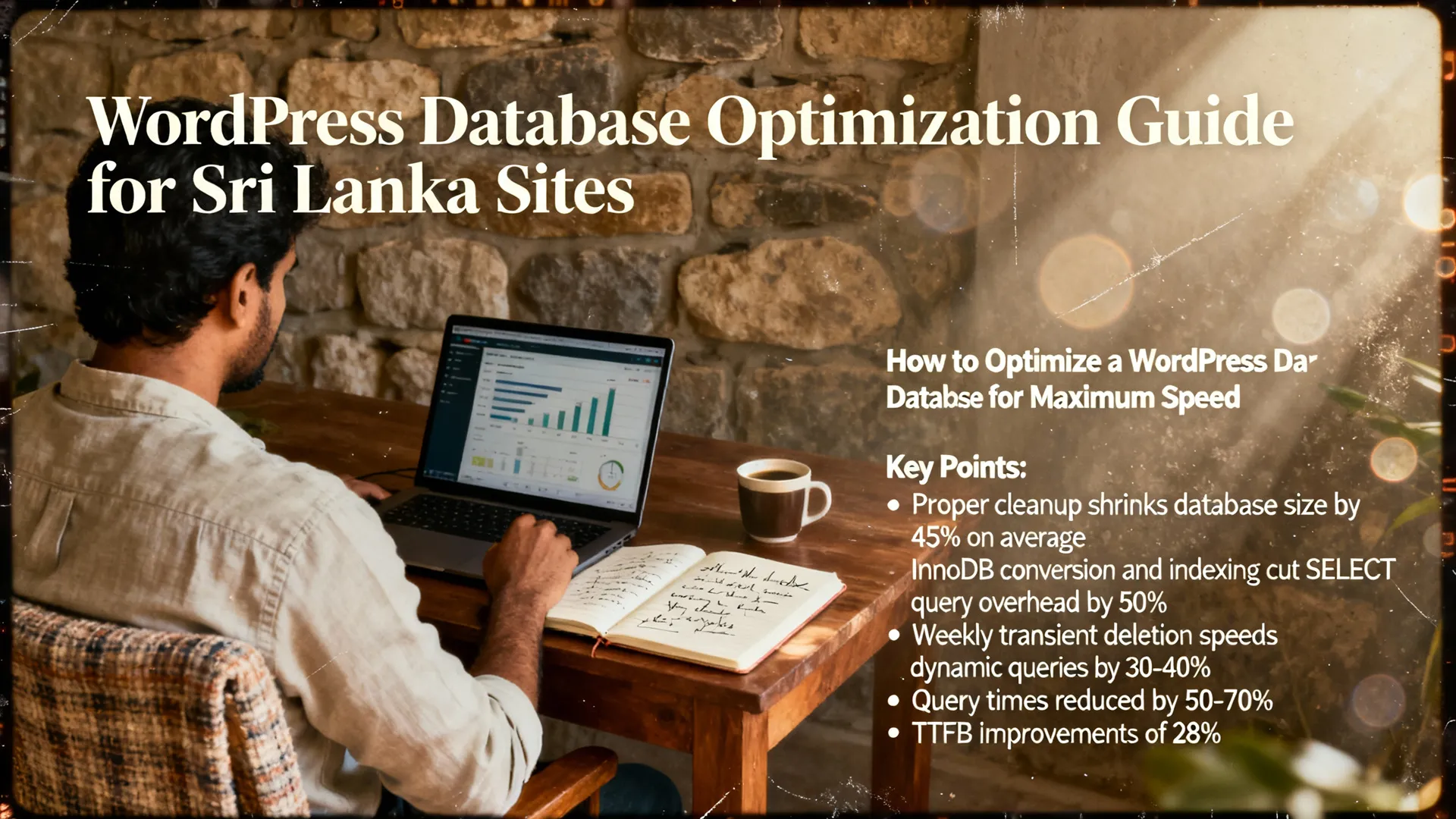
WordPress Database Optimization Guide
As a WordPress developer in Sri Lanka, I've seen firsthand how a bloated database kills site performance. Recent data shows that unoptimized WordPress databases increase query times by up to 70%, directly slowing page loads and hurting rankings.[1...
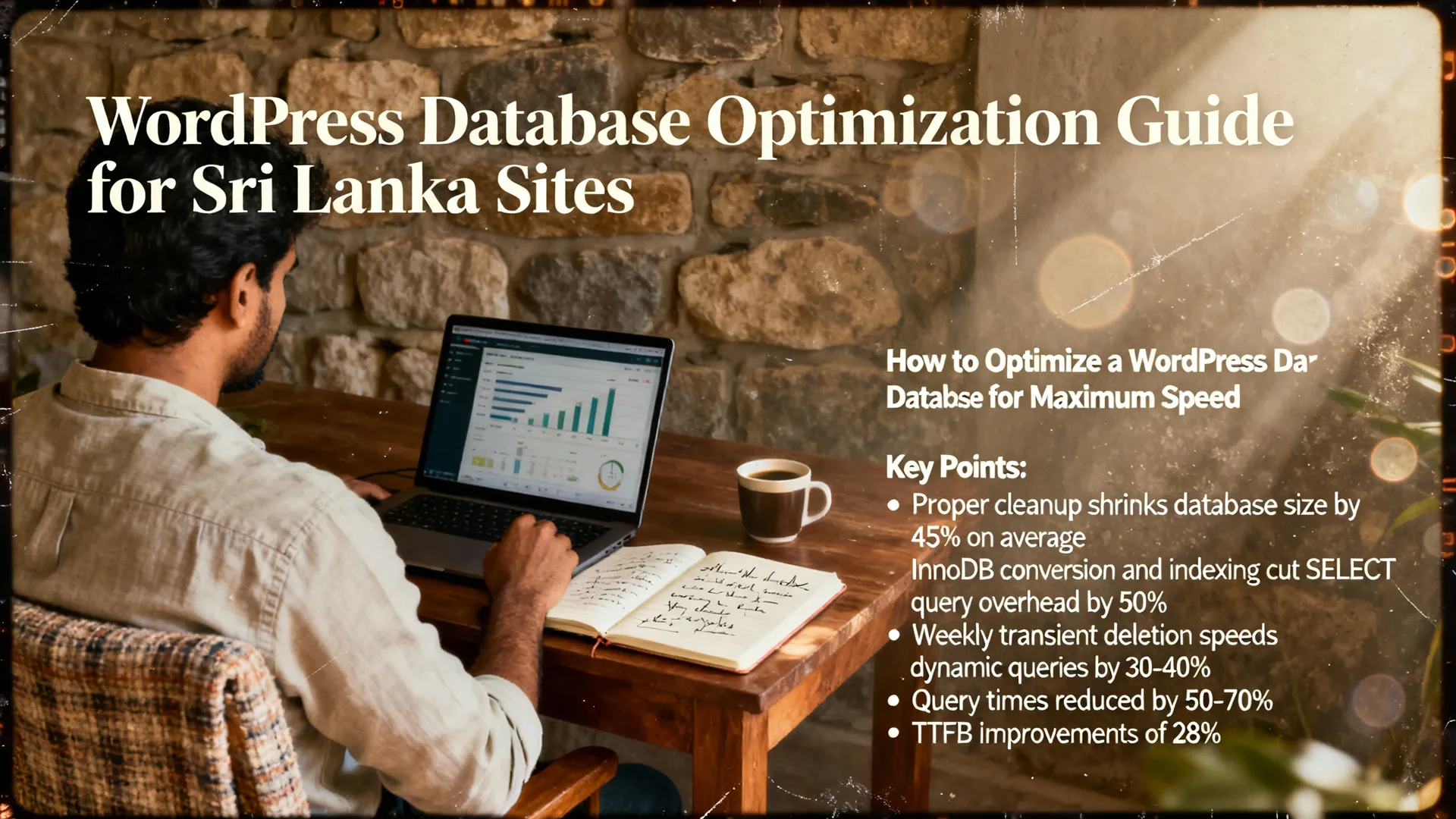
WordPress DB Optimization Guide 2026: Boost Speed with Proven Techniques
As a WordPress developer in Sri Lanka, I've seen firsthand how a bloated database kills site performance. Recent data shows that unoptimized WordPress databases increase query times by up to 70%, directly slowing page loads and hurting rankings.Whether you're running a simple blog or a high-t...
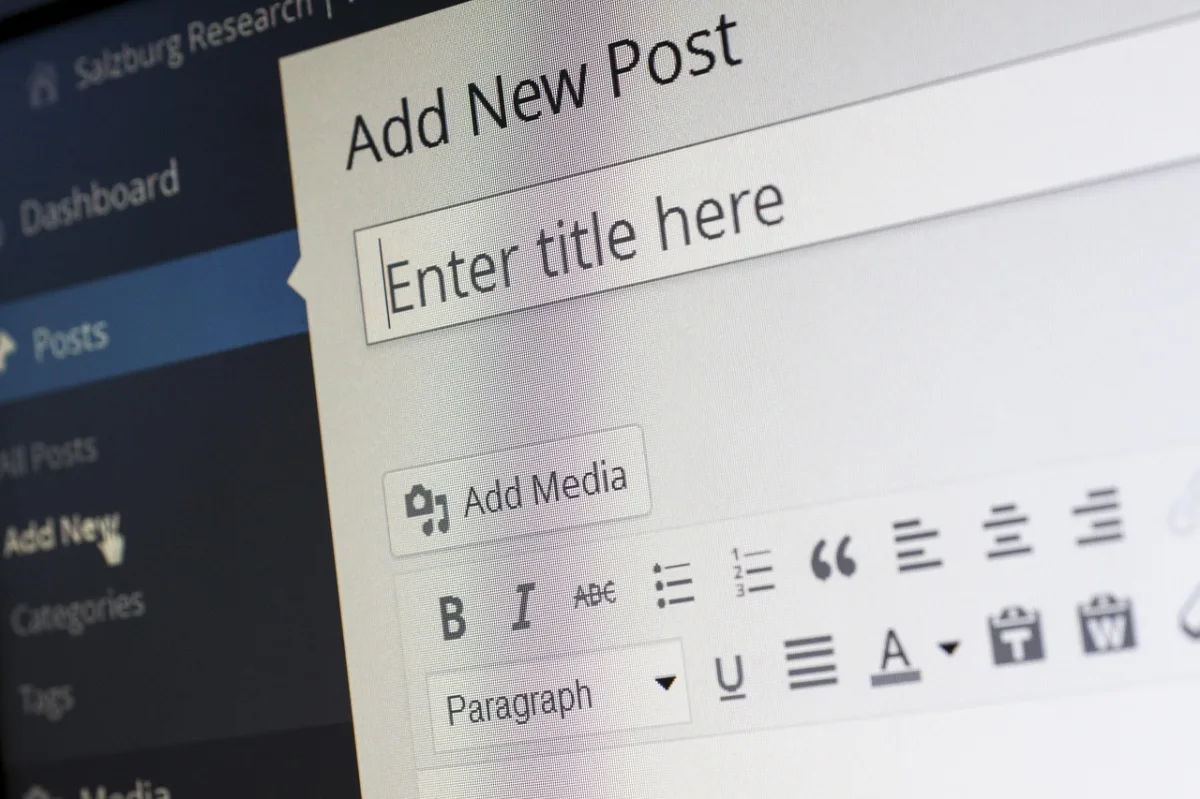
WordPress Multisite vs Single Site Setup
Learn which WordPress setup is right for your business
Custom Post Types in WordPress: Expanding Content Capabilities Beyond Posts & Pages
Expand content capabilities beyond posts and pages